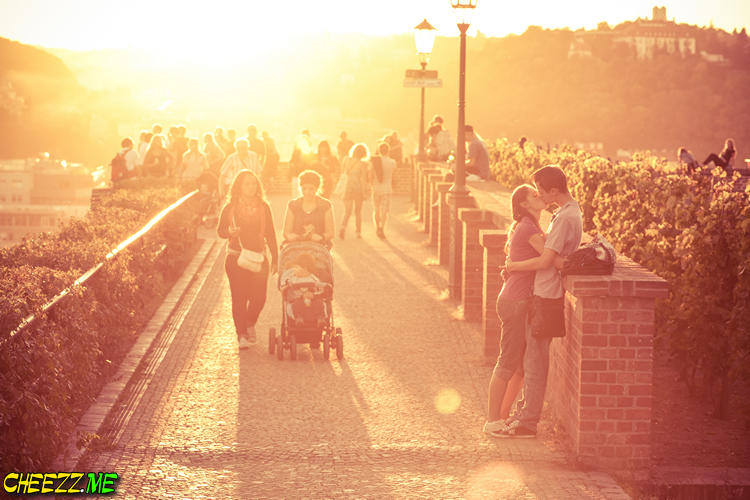
Vyšehrad Castle in Prague

Vyšehrad occupies a rocky ridge above the Vltava south of central Prague. The grounds combine defensive walls, park paths, church towers, a national cemetery and long views that open toward the river bends and the city center.
The site feels spacious even on a busy day because its landmarks are spread across the hill. It suits travelers who want history and photography without following the denser route through Old Town and Prague Castle.
On this page
The fortress and the legends around it
Archaeology places the fortified settlement at Vyšehrad in the mid-tenth century. Czech legends gave the hill an earlier role as the seat of Princess Libuše, but the documented royal period came later. Vratislav II established a chapter here in the eleventh century and used Vyšehrad as a residence.
Charles IV restored the site’s ceremonial importance in the fourteenth century and connected it with the royal coronation route. The present defensive character largely comes from Baroque rebuilding, when angular bastions and brick gates reshaped the medieval hilltop.

Church, cemetery and casemates
The Basilica of Sts. Peter and Paul is easy to recognize by its twin neo-Gothic towers. Beside it, Vyšehrad Cemetery and the Slavín tomb honor Czech writers, composers, artists and public figures. Names such as Antonín Dvořák and Bedřich Smetana turn the cemetery into a compact map of Czech culture. The Rotunda of St. Martin preserves an earlier Romanesque layer. Underground casemates lead toward the Gorlice Hall, where several original Baroque statues from Charles Bridge are protected. Interior access and guided routes have separate schedules, so verify them before arrival.

How to reach Vyšehrad
Metro line C stops at Vyšehrad, followed by a walk along the outer walls. Tram stops near Výtoň provide a steeper approach from the river and work well for a route that continues along Náplavka. Another option begins near Albertov and climbs through the gates.

Late afternoon is useful for river photographs from the western ramparts. Wear shoes with grip because cobbles and slopes become slippery after rain. The outdoor grounds remain freely accessible for much of the day, while exhibitions, the church and underground spaces follow their own hours.